Trezor Login: A Secure, Hardware-Based Gateway to Your Crypto Management Experience
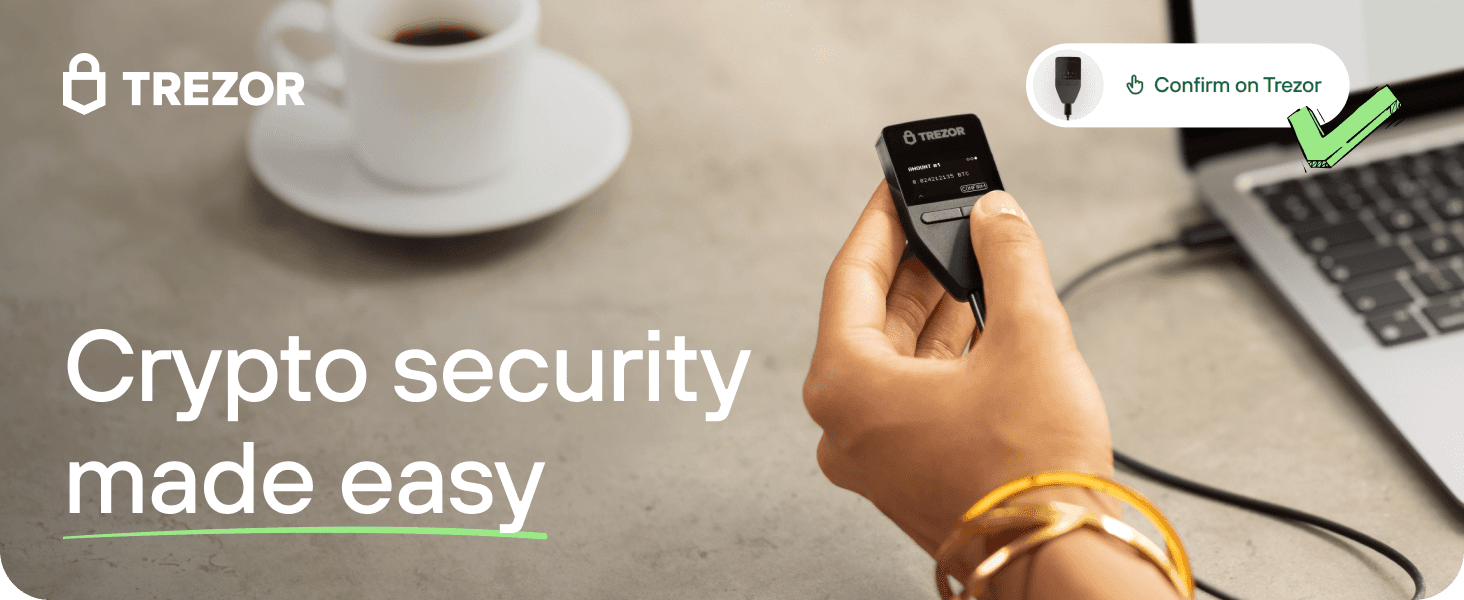
“Trezor Login” does not resemble the familiar process of entering a username and password on a website. Instead, it represents a unique, hardware-anchored authentication model designed to keep your private keys offline, inaccessible to malware, and entirely under your personal control. When users talk about logging in with Trezor, they are really referring to the secure process of connecting and unlocking their Trezor hardware wallet—usually the Trezor Model One or Trezor Model T—through the Trezor Suite application. This secure flow is the cornerstone of Trezor’s philosophy: security through physical ownership, not cloud accounts, stored passwords, or centralized profiles.
At a time when phishing scams, fake websites, and malware are growing increasingly sophisticated, Trezor’s login system operates with a crucial principle: nothing sensitive is ever typed into your computer or transmitted over the internet. Instead of a password stored somewhere, your authentication revolves entirely around your hardware device and the PIN or passphrase that only you know. This makes Trezor Login drastically more secure than traditional digital logins, which can be intercepted or guessed.
The Trezor Login process begins when you open Trezor Suite, the official application for managing your balances, sending and receiving crypto, enabling privacy features, viewing transaction history, exploring coin management tools, and updating firmware. Instead of prompting you for account credentials, Trezor Suite waits for you to plug in your hardware wallet. This step is the first layer of authentication—Suite only connects to a genuine Trezor device, ensuring you’re using the official ecosystem rather than a fake interface.
Once the device is connected, Trezor Login continues with the unlocking process. On Trezor Model One devices, you enter your PIN using a randomized keypad displayed on the computer screen, while visually confirming positions on the device itself. On the Trezor Model T, you enter the PIN directly on the touchscreen. This PIN is never typed into your computer, never visible to malware, and never stored in any online database. Because it is entered either through a blind matrix or a secure hardware touchscreen, your computer cannot intercept the PIN even if compromised.
If the wrong PIN is entered multiple times, the device implements timed lockouts—delays that grow longer with each failed attempt. This makes brute-force attacks effectively impossible. The PIN therefore serves as the first major pillar of Trezor Login: even someone holding your physical device cannot use it without your secret code.
Once unlocked, Trezor Suite loads your accounts and portfolio information. Even at this stage, your private keys remain locked inside the secure hardware device. Trezor Suite never sees your keys; it only receives signed messages from the device when you approve actions. Being “logged in” allows you to view your assets, but signing transactions—such as sending crypto or adjusting wallet settings—still requires explicit confirmation on the device. This double-layer security model is at the heart of the Trezor Login experience: view access happens on the computer, but control access always stays in your hand.
Transactions, for example, must be verified on the Trezor display. This ensures that even if malware tries to trick you by altering addresses or amounts on your screen, the hardware wallet shows you the real signing request—your final defense before funds move. Trezor Login is therefore not just authentication; it is an ongoing verification system.
Advanced users can add another layer known as the passphrase, often described as a 25th word. This optional feature creates a hidden wallet accessible only when entering a custom passphrase. If enabled, the Trezor Login process includes your passphrase—typed directly on the device for the Model T or entered securely through an obfuscated interface for the Model One. The passphrase ensures that even if someone makes it past your PIN, they still cannot access your primary or high-value accounts. Many users employ separate passphrases for different types of holdings, adding strong compartmentalization to their Trezor Login experience.
Another important component of the login flow is Trezor Suite’s phishing protection. Trezor devices will never ask you to enter your recovery seed on your computer or online. Trezor Login reinforces this rule by making PIN and passphrase entry a device-only experience. Because recovery seeds are never part of logging in, users are shielded from the most common crypto scam: fake websites claiming to “verify your wallet” by asking for your seed. Trezor Suite repeatedly warns that no legitimate Trezor login process involves typing the seed anywhere.
Beyond basic authentication, Trezor Login also integrates privacy options such as Tor routing, which users can enable directly from Trezor Suite. This can help prevent network observers from linking wallet activity to IP addresses. Combined with the privacy-focused design of the Trezor Login process, it enables users to manage assets more anonymously.
In addition, Trezor Login seamlessly supports firmware checks and updates. When logging into Trezor Suite, the software verifies whether your device is running the latest firmware, prompting updates when needed. These updates are always signed and validated, meaning attackers cannot insert malicious firmware or tamper with the login process.
Ultimately, Trezor Login is far more than the moment you open Trezor Suite—it is a multi-layer trust architecture built around physical security, local verification, and private-key isolation. By replacing passwords with hardware authentication and eliminating centralized login services, Trezor gives users complete ownership over their digital identity and financial autonomy.
Whether you are a beginner accessing your Trezor for the first time or a seasoned crypto user managing complex portfolios, Trezor Login provides a safe, simple, and resilient mechanism for keeping your digital assets under your sole control.